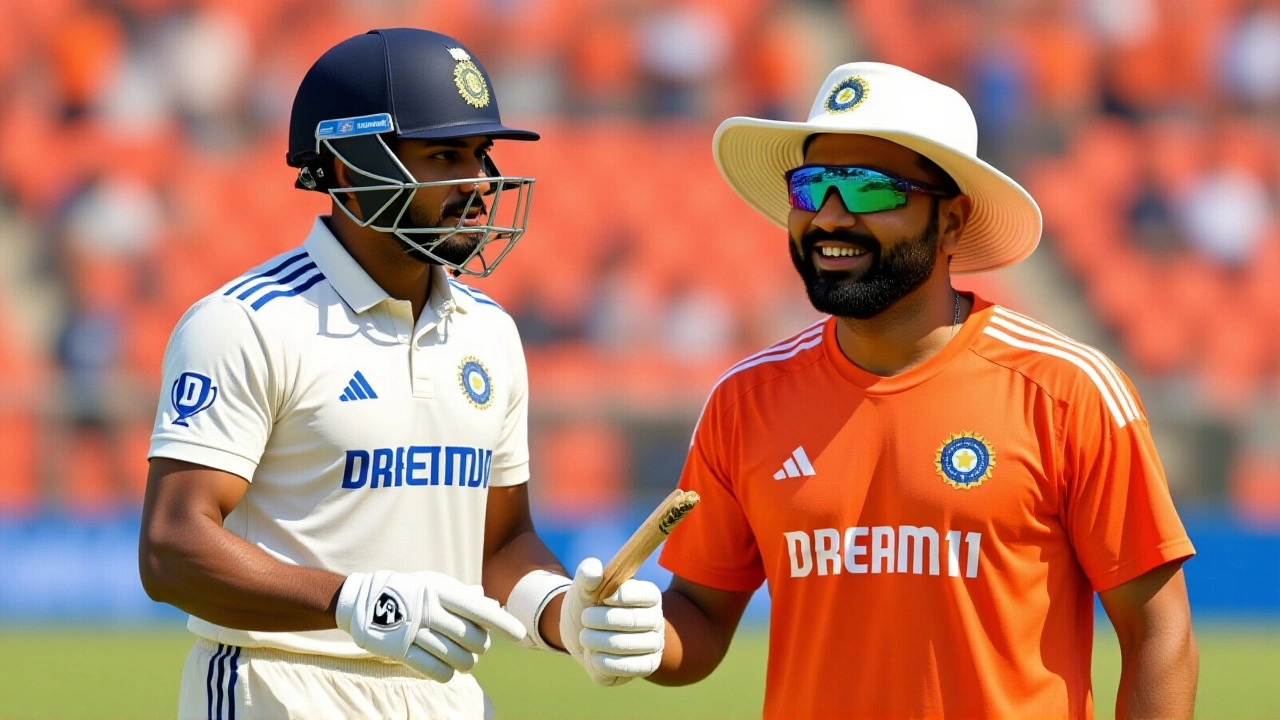
On April 2, 2025, Yashasvi Jaiswal, India’s explosive opening batsman, nearly walked away from the team that launched his career — Mumbai Cricket Association — after a bitter fallout with captain Ajinkya Rahane. The breaking point? A moment of raw frustration during a Ranji Trophy loss at the BKC ground, where Jaiswal kicked Rahane’s kit bag in anger. What followed wasn’t just a tantrum — it was the eruption of a two-year simmering conflict that threatened to upend the career of one of India’s brightest young talents.
The Spark That Ignited the Fire
The tension didn’t start on April 2. It began in September 2022, during the Deodhar Trophy, when Rahane, then captain of West Zone, sent Jaiswal off the field for aggressive sledging of Ravichandran Ashwin. Jaiswal, then just 21, saw it as a personal slight. Rahane, a veteran known for his disciplined leadership, viewed it as a breach of team culture. That moment became a fault line. By the time the 2024-25 Ranji Trophy season rolled around, the relationship had deteriorated into cold silence. Jaiswal felt micromanaged. Mumbai’s coaching staff, led by Omkar Salvi, kept changing his position in the batting order and questioning his temperament. When Mumbai lost to Jammu & Kashmir by five wickets at BKC, Jaiswal’s scores — 4 and 26 — became fodder for criticism. The loss, combined with what he perceived as targeted blame from selectors, pushed him over the edge.The Kit Bag Incident and the Exit Letter
Post-match, Jaiswal reportedly confronted Rahane. Witnesses say he didn’t shout. He didn’t storm off. He kicked the captain’s kit bag — a silent, symbolic act of defiance. It wasn’t vandalism. It was a message: I’m done. Two days later, he sent an email to the Mumbai Cricket Association requesting a No Objection Certificate (NOC) to switch to Goa, where he’d be named captain. It was a bold move — leaving a dynasty for a team with no Ranji Trophy history. He believed Goa offered him freedom, respect, and a clean slate.Rohit Sharma’s Call That Changed Everything
But Jaiswal was scheduled to leave for England the following week to join Team India for a five-match ODI series. Before he boarded his flight, he got a call from Rohit Sharma. Rohit didn’t lecture him. He didn’t threaten him. He asked a simple question: Do you want to be remembered as the guy who left Mumbai, or the guy who carried its legacy forward? According to MCA President Ajinkya Naik, Rohit reminded Jaiswal that Mumbai had won the Ranji Trophy 42 times — more than any other state. "He told Yashasvi that playing for Mumbai isn’t just about cricket," Naik said. "It’s about identity. About carrying the weight of legends who came before you." Rohit also brought in other Mumbai icons — Sachin Tendulkar, Sunil Gavaskar, and Harbhajan Singh — who quietly reached out. One message stood out: Don’t run from pressure. Become the reason it doesn’t break you. Jaiswal withdrew his NOC request within 48 hours.Why This Matters Beyond Mumbai
This isn’t just a story about a player changing his mind. It’s about the invisible architecture of Indian domestic cricket. Young stars like Jaiswal are often caught between the pressure of legacy teams and the allure of fresh starts. The MCA, for all its bureaucracy, still holds cultural power. And senior players like Rohit? They’re not just captains — they’re custodians of tradition. Jaiswal’s decision to stay doesn’t mean the rift with Rahane is healed. But it does mean the system worked — not because of rules, but because of respect. The same respect that once made Mumbai a breeding ground for legends like Gavaskar, Tendulkar, and Dhoni.What’s Next for Jaiswal?
Jaiswal returns to the Mumbai camp with a new mandate: silence the critics with runs, not rage. He scored 67 off 97 balls against Rajasthan earlier in the season — a sign he can still dominate. Now, he has a chance to prove he can do it under pressure, not in spite of it. His next big test? The 2025-26 Ranji Trophy. If he scores big — and stays calm — he’ll silence not just the media, but the ghosts of his own frustration.Behind the Scenes: The Quiet Power of Mentorship
What’s rarely discussed in Indian cricket is how much influence retired and senior players still wield. Rohit didn’t have to call Jaiswal. He could’ve let the MCA handle it. But he chose to. That’s the difference between leadership and authority. This isn’t about saving a player’s career. It’s about preserving a culture. Mumbai’s dominance didn’t come from funding. It came from the belief that playing for the team was a sacred duty. Jaiswal nearly walked away from that. And Rohit reminded him why it mattered.Frequently Asked Questions
Why did Yashasvi Jaiswal want to leave Mumbai in the first place?
Jaiswal felt sidelined by Mumbai’s leadership, particularly after repeated criticism of his temperament and inconsistent selection. Tensions with captain Ajinkya Rahane, dating back to 2022, escalated during the 2024-25 Ranji Trophy, culminating in a public outburst after a loss to Jammu & Kashmir. He believed moving to Goa would give him creative freedom and captaincy — something he felt Mumbai was denying him.
What role did Rohit Sharma play in Jaiswal’s decision to stay?
Rohit Sharma personally called Jaiswal before his departure for England, appealing to his sense of legacy. He reminded him that Mumbai’s 42 Ranji Trophy wins weren’t just stats — they were a responsibility. Rohit framed staying as an act of courage, not surrender, and brought in other Mumbai legends to reinforce the message. This emotional, mentor-driven intervention was decisive.
Is the conflict between Jaiswal and Rahane resolved?
No, not officially. The NOC withdrawal means Jaiswal is staying with Mumbai, but there’s no public indication of reconciliation. Both men have avoided media comments since the incident. Their relationship remains fragile, and future on-field dynamics will be closely watched — especially if they’re paired together in domestic or national squads.
How common are such domestic team switches in Indian cricket?
Rare — especially for high-profile players. Most cricketers stay loyal to their home states due to financial incentives, local fan support, and selection bias. Only a handful, like KL Rahul (Karnataka to Karnataka, then Kerala briefly) or Shreyas Iyer (Maharashtra to Delhi), have switched teams for career reasons. Jaiswal’s case is unusual because he was on the verge of leaving Mumbai, a team with unmatched prestige, for a non-traditional side.
What does this mean for Mumbai Cricket Association’s future?
The incident exposed cracks in MCA’s player-management system. While they retained Jaiswal, the fact that he considered leaving signals deeper issues — possibly in communication, leadership, or youth development. To prevent future exits, MCA may need to overhaul its mentorship structure, perhaps formalizing senior player involvement — like Rohit’s role — into official protocols.
Could this affect Jaiswal’s chances for the Indian national team?
Not directly — his form for India in limited-overs cricket remains strong. But if he continues to struggle under pressure in domestic cricket, selectors may question his temperament. His performance in the upcoming Ranji Trophy will be a silent audition. If he scores big for Mumbai, it’ll silence critics. If he falters, the narrative of "unstable temperament" could resurface.